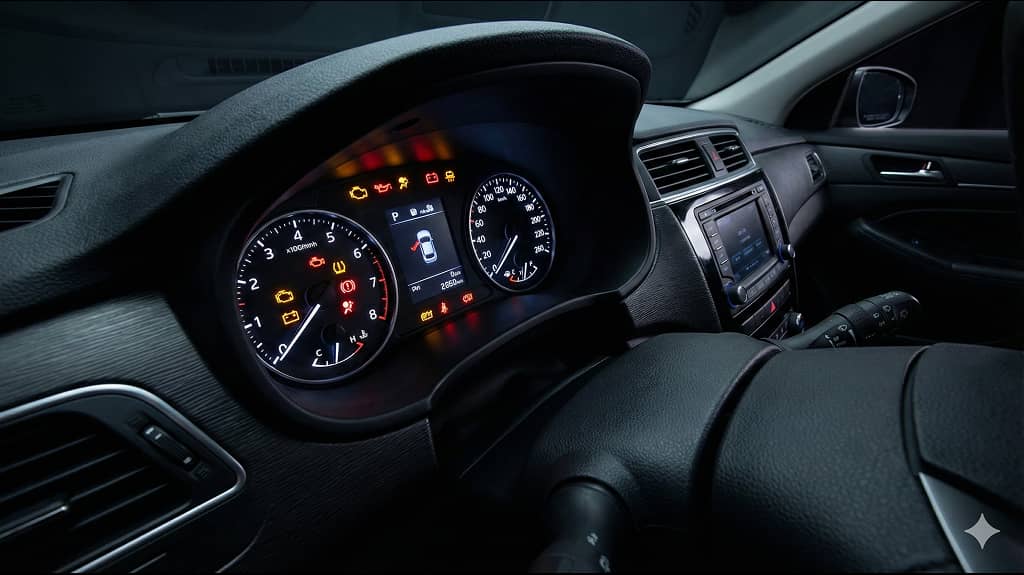
Dashboard warning lights are your car’s way of asking for attention, not your panic. Some lights point to small issues that can wait a short time. Others warn you about problems that can turn expensive or unsafe very quickly.
For Denver drivers, cold mornings, big temperature swings, mountain grades, and heavy traffic make certain warning lights show up more often than people expect.
Below are the top 7 warning lights we see most often and what they really mean for drivers in the Denver area.
Key Summary:
Dashboard warning lights like the check engine, oil pressure, battery, brake, coolant temperature, TPMS, and traction control lights signal issues that range from minor to urgent. Paying attention early helps Denver drivers avoid breakdowns, safety risks, and costly repairs.
-
Check Engine Light (MIL)
The check engine light means the engine computer has detected a fault. That can range from a loose gas cap to a misfire that can damage internal components. The light points to a problem, not the exact cause.
How the light behaves matters. A flashing light usually signals an active misfire. Slow down immediately and avoid hard acceleration or steep grades. A solid light usually allows short trips, but it should be diagnosed soon.
When the light comes on, a few adjustments help limit risk.
-
Reduce speed and avoid heavy throttle.
-
Skip mountain driving until it’s checked.
-
Schedule a diagnostic instead of waiting for symptoms.
In Colorado, this light also affects emissions testing. A vehicle can fail if the MIL is on, even if it seems to run fine. Common triggers we see include loose gas caps in winter, small EVAP leaks, misfires under load on grades, and airflow or oxygen sensor issues.
-
-
Oil Pressure Warning Light
This red oil can light does not simply mean low oil. It means the engine is not maintaining oil pressure, which is critical for protection. Low oil level can cause it, but internal flow problems can as well.
When this light appears, engine damage is the main concern.
-
Pull over safely and shut the engine off.
-
Do not restart it to see if the light clears.
-
If safe, check the oil level once the engine cools.
Even short driving with low oil pressure can cause permanent damage. This is not a drive on light. Towing is usually the safer option.
Cold starts in Denver thicken oil, especially with the wrong viscosity. Long elevation climbs also stress marginal oil systems. Typical causes include low oil, oil pump issues, clogged pickup screens, oil that’s too thick for the climate, or faulty pressure sensors.
-
-
Battery / Charging System Light
This light means the charging system is not keeping the battery charged while the engine runs. The battery itself is often not the main problem.
When it comes on, reduce electrical demand and plan your route.
-
Turn off heated seats, defrost, and high-power accessories.
-
Avoid unnecessary stops that require restarting.
-
Drive directly to a repair shop.
You can usually drive a short distance, but once the voltage drops far enough, the vehicle can stall and not restart.
Denver winters make this light more common. Cold reduces battery output while heaters and lights increase load, exposing weak alternators, worn belts, or failing connections.
-
-
Brake System Warning Light
This light can mean several things depending on the vehicle. It may indicate the parking brake is engaged, low brake fluid, a hydraulic issue, or an electronic brake fault.
When it turns on, a few checks help clarify the risk.
-
Confirm the parking brake is fully released.
-
Pay attention to pedal feel and braking response.
-
Notice any change in stopping distance.
If the pedal feels soft, spongy, or sinks, it is not safe to drive. Towing is often the right call.
Mountain descents and stop-and-go traffic in Denver accelerate brake wear and can also throw off alignment over time. This light should never be ignored because brake service issues directly affect stopping distance and control.
-
-
Coolant Temperature / Overheating Light
This light means the engine temperature is too high. Overheating can cause serious damage quickly if ignored.
When it appears, the goal is to reduce heat immediately.
-
Turn off the AC to reduce load.
-
Turn the heater on to help pull heat from the engine.
-
Watch the temperature gauge closely.
If the temperature keeps rising or the gauge is pegged, shut the engine off as soon as it’s safe. Do not open the cooling system while hot.
Denver drivers often see this during long foothill climbs in traffic. Thin air and limited airflow strain older cooling systems. Common causes include low coolant, leaks, failing fans, stuck thermostats, worn water pumps, and restricted radiators.
-
-
TPMS (Tire Pressure Monitoring System) Light
This light means one or more tires are low on air, or the TPMS system has a fault. Small pressure losses are often not visible.
When it comes on, a few steps usually clarify the cause.
-
Check tire pressure when tires are cold.
-
Inflate to the door jamb PSI, not the tire sidewall.
-
Note if the light flashes first, which often points to a sensor issue.
Driving short-term is usually safe, but underinflated tires affect braking, handling, and place extra stress on the suspension.
In Denver, temperature swings frequently trigger this light overnight. We often see seasonal pressure loss, slow leaks, valve stem issues, or aging TPMS sensors shown by this warning.
-
-
Traction Control / Stability Control Light
This light relates to systems that help prevent wheel slip. Flashing means the system is actively working. A solid light means the system is off or has a fault.
How it behaves is key.
-
Flashing on snow or ice is normal.
-
A solid light during dry driving means reduced stability support.
-
Avoid aggressive driving until it’s checked.
Driving is often still possible, but without full safety assistance during emergency maneuvers.
Denver roads make these systems work hard. Shaded intersections, early ice, and slush trigger frequent engagement. In diagnostics, this light is often tied to wheel speed sensors, wiring, or shared ABS components.
-
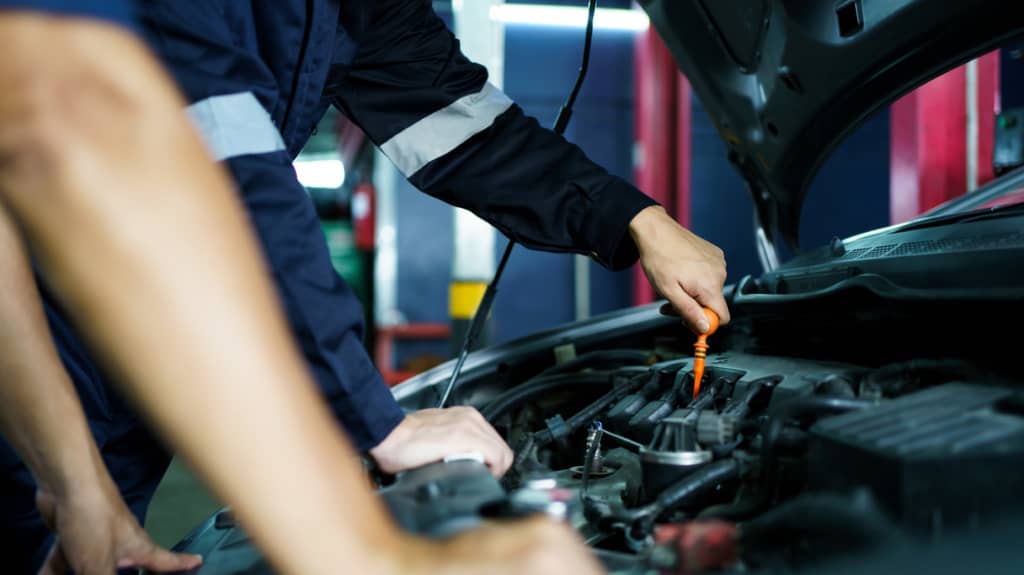
Quick “Is It Safe to Drive?” Checklist
When a warning light comes on, the right move depends on what system is affected. This quick guide reflects what usually matters in real driving situations, not best-case assumptions.
Pull over as soon as it’s safe and plan for a tow:
-
Oil pressure warning light
-
Coolant temperature or overheating light when the gauge keeps rising
-
Brake warning light paired with soft, sinking, or weak braking
-
Check the engine light that is flashing
Usually safe to drive short-term, but do not ignore:
-
Check the engine light that is solid
-
Battery or charging system light if you drive directly to a shop
-
TPMS light after checking and adjusting tire pressure
-
Traction control or stability control light that stays on
If you’re unsure which category a light falls into, slowing down and getting it checked sooner is almost always the safer call.
A Simple Way to Avoid Surprise Warning Lights
Many dashboard warning lights show up because small issues were quietly building over time. Fluids slowly drop. Batteries weaken. Tires lose pressure. Sensors drift just enough to trigger a fault when conditions change.
In Denver, those changes happen fast. Cold mornings, warm afternoons, elevation, and stop-and-go traffic all stress systems that might seem fine in mild conditions. What we see often is not neglect, but missed timing. Maintenance done a little late instead of a little early.
A few habits make a real difference:
-
Check fluid levels seasonally, not just at oil changes.
-
Pay attention to how the car feels on cold starts versus warm driving.
-
Address small warning signs before mountain trips or long commutes.
-
Follow factory-recommended maintenance intervals instead of waiting for a light.
When a Warning Light Comes On, Get a Clear Answer
Dashboard lights can be stressful, especially when you are not sure how serious the problem really is. Guessing or ignoring it often leads to more damage and higher repair costs. Getting a clear diagnosis early usually makes the situation much easier to deal with.
At A-Affordable Transmissions Center, the focus is on explaining what the warning light means, what caused it, and what actually needs to be done next. You will get straightforward answers, realistic recommendations, and an estimate before any work begins, so there are no surprises.
If a warning light comes on and you want a clear, honest explanation, reach out to schedule a diagnostic. Getting answers early is often the easiest way to protect your vehicle and your peace of mind.